Finding the Perfect Locations for a Successful Low Budget Film
What is an indie film?
An indie film is a feature-length or short movie produced outside the Hollywood studio system. The key distinction isn’t budget alone, it’s about financing and creative control. When filmmakers retain complete control over their vision without studio interference, they’re working independently, regardless of whether they spend $15,000 or $5 million.
Some core characteristics of indie movies include:
- Creative control retained by the director and producer
- Niche or risky subject matter that studios avoid
- Character-driven narratives over action-heavy plots
- Independent funding through grants, crowdfunding, or self-financing
- Location-heavy rather than set-heavy shoot
Optical Films Production Services focusses on helping producers get their films made, by finding cheaper locations for their independent films. Here are some of our insights from some recent projects we've produced.
Some core characteristics of indie movies include:
- Creative control retained by the director and producer
- Niche or risky subject matter that studios avoid
- Character-driven narratives over action-heavy plots
- Independent funding through grants, crowdfunding, or self-financing
- Location-heavy rather than set-heavy shoot
Optical Films Production Services focusses on helping producers get their films made, by finding cheaper locations for their independent films. Here are some of our insights from some recent projects we've produced.
Low budget filmmaking: Location-heavy productions
Locations are a crucial part of creating a successful low budget film because they don't have the cash available for huge set builds. It comes down to the team to find existing locations that can be used or re-imagined to create sets that bring your film to life. A location scout is usually responsible for finding locations that will work for the film after interrogating the script and getting a good brief from the director and producer. Once the scout has narrowed down the search, they'll present the options to the director who will also review with the production designer and director of photography to collectively imagine which locations will suit the creative vision best.
Locations are simultaneously the most critical and most overlooked cost driver in a low budget movie. Finding the perfect location can make or break your film, they’re expensive to rent, but sometimes even more expensive to dress properly. This is the never-ending conundrum every producer faces.
Low budget filmmaking - why locking locations early is crucial:
- Art can’t properly start until they know the space. The production designer cannot measure, plan dressing, source props, or build until exact dimensions and restrictions are confirmed.
- The schedule can’t be finalized until location availability is known. The assistant director must group all scenes for each location together to minimize costly company moves.
- Hidden costs multiply. Permits, rental fees ($500–$5,000+ per day), dressing time, and neighbourhood restrictions can derail budgets quickly.
Locations are simultaneously the most critical and most overlooked cost driver in a low budget movie. Finding the perfect location can make or break your film, they’re expensive to rent, but sometimes even more expensive to dress properly. This is the never-ending conundrum every producer faces.
Low budget filmmaking - why locking locations early is crucial:
- Art can’t properly start until they know the space. The production designer cannot measure, plan dressing, source props, or build until exact dimensions and restrictions are confirmed.
- The schedule can’t be finalized until location availability is known. The assistant director must group all scenes for each location together to minimize costly company moves.
- Hidden costs multiply. Permits, rental fees ($500–$5,000+ per day), dressing time, and neighbourhood restrictions can derail budgets quickly.
Creative solutions when you can’t afford a location scout
When you are counting your pennies when producing an independent film, you are always looking for creative solutions. Often it's not possible to hire a professional location scout and creative solutions become essential. Here are proven tactics that I have used as a producer when trying to find locations for very specific locations.
1. Trolling Airbnb for cinematic spaces:
This creative solution is time consuming, but can really pay off. My most recent example is a project that we produced last year required an 80s style kitchen. A house seems like a pretty straight forward location but it turned out to be the last one we managed to find. We hunted high and low, but very often kitchens have been renovated or have some fixed appliances that were not around in the 80s. We also wanted to make sure that the colour scheme worked with our design aesthetic. With less than a week until our shoot, we were out of options, until I started trolling Airbnb. I could be quite specific about the area that I wanted to film in, but then I just had to click through photos on every listing and I eventually found one!
No obvious appliances in sight and the colour scheme was such a bonus (shooting in a room with white walls is always tricky) and it looked great on camera. I wrote to the home owner on Airbnb and she agreed to let us see her house and we made a separate agreement with her to film in her kitchen - success!
No obvious appliances in sight and the colour scheme was such a bonus (shooting in a room with white walls is always tricky) and it looked great on camera. I wrote to the home owner on Airbnb and she agreed to let us see her house and we made a separate agreement with her to film in her kitchen - success!

Airbnb reference photo - The Kitchen
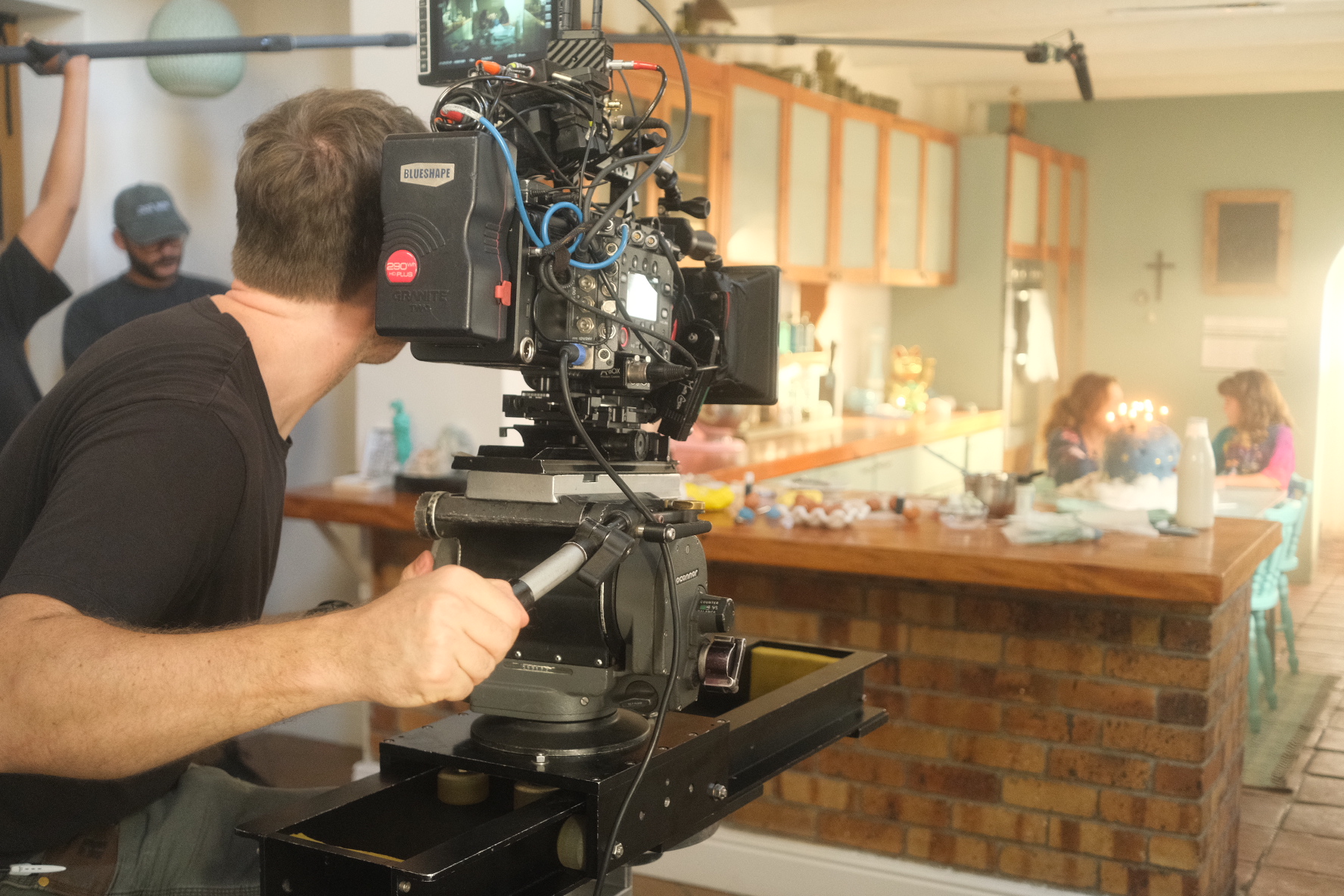
BTS Filming in The Kitchen for The Cake
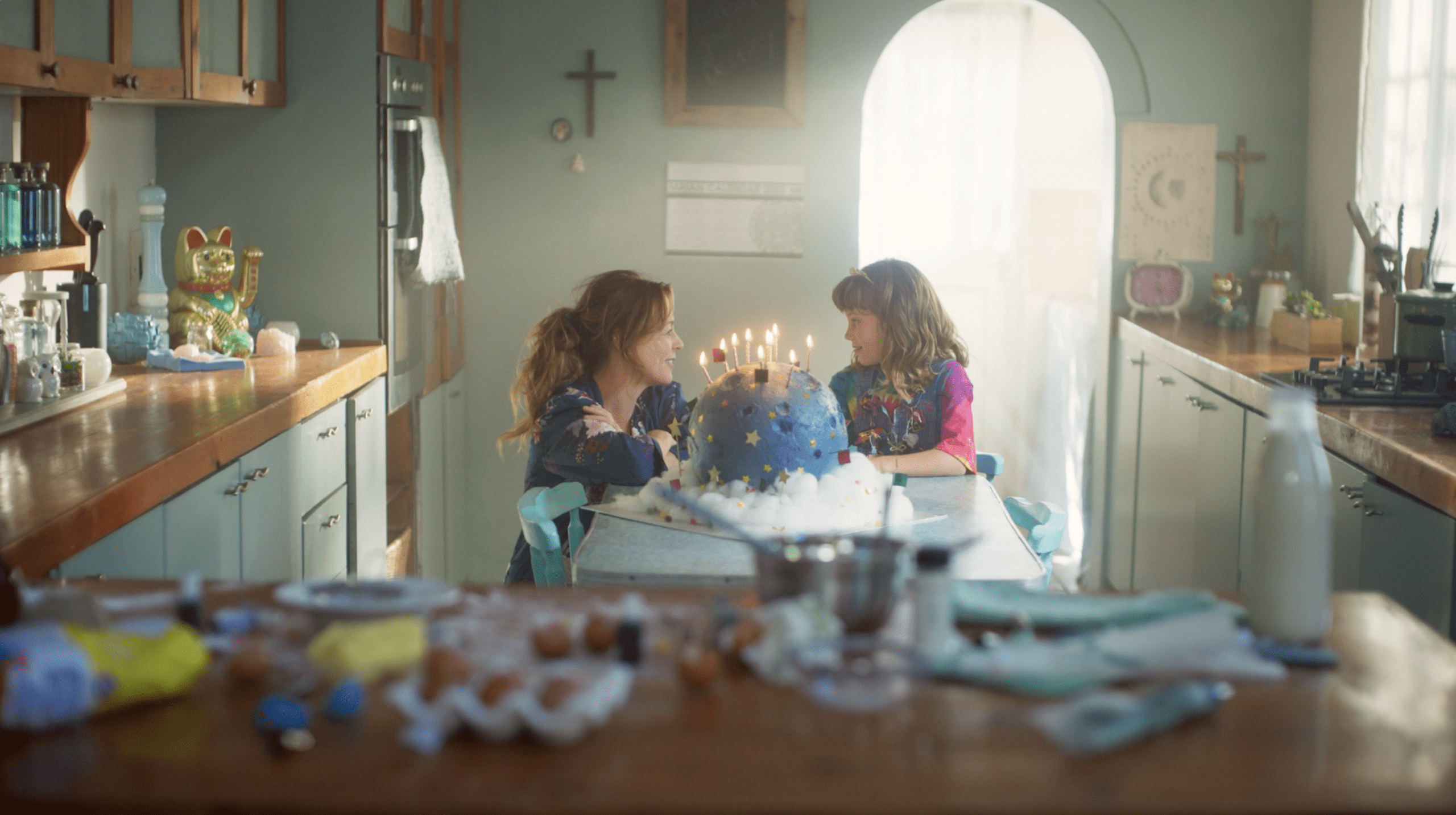
Screenshot from The Cake
Some helpful Airbnb search filters included:
- date range to include a prep day and a strike day
- select entire home
- set your budget
- select house - access to a flat/apartment is sometimes tricky depending on your cast and crew size and camera equipment so be sure to select house if you need decent access
Message hosts directly about your filming intentions, offer premium day rates and be upfront about crew size and hours. Many hosts appreciate extra income, but some are not interested because they are hesitant to disturb the neighbours and want to avoid potential damage to their house - you need to make sure you have liability insurance to cover any damages. But you may also get lucky, like we did.
- date range to include a prep day and a strike day
- select entire home
- set your budget
- select house - access to a flat/apartment is sometimes tricky depending on your cast and crew size and camera equipment so be sure to select house if you need decent access
Message hosts directly about your filming intentions, offer premium day rates and be upfront about crew size and hours. Many hosts appreciate extra income, but some are not interested because they are hesitant to disturb the neighbours and want to avoid potential damage to their house - you need to make sure you have liability insurance to cover any damages. But you may also get lucky, like we did.
2. Using your personal and extended network:
Friends, family and colleagues often have access to visually distinctive workplaces that aren’t on any commercial database. Many times we have tapped into our networks for all sorts of different locations. For our most recent project, Rough Waters, we needed a locker room on a fishing trawler off the UK mainland and needed a creative solution. Traditional sports locker rooms didn't work because of the walls, most either concrete or tiles, which doesn't look like the interior of a ship, but filming on a commercial fishing trawler adds additional complications and insurance premiums. We looked at the option of dressing a garage, but dressing it would require a bigger vehicle and additional crew we didn't have budget for.
A family member connected us with a friend who is a senior employee at a large fishing company - they had land-based locker rooms that were perfect. Scheduling the shoot was a little complicated because we needed to work around their hours, but we made it work and it looked great on screen - literally no set dressing was required.
A family member connected us with a friend who is a senior employee at a large fishing company - they had land-based locker rooms that were perfect. Scheduling the shoot was a little complicated because we needed to work around their hours, but we made it work and it looked great on screen - literally no set dressing was required.
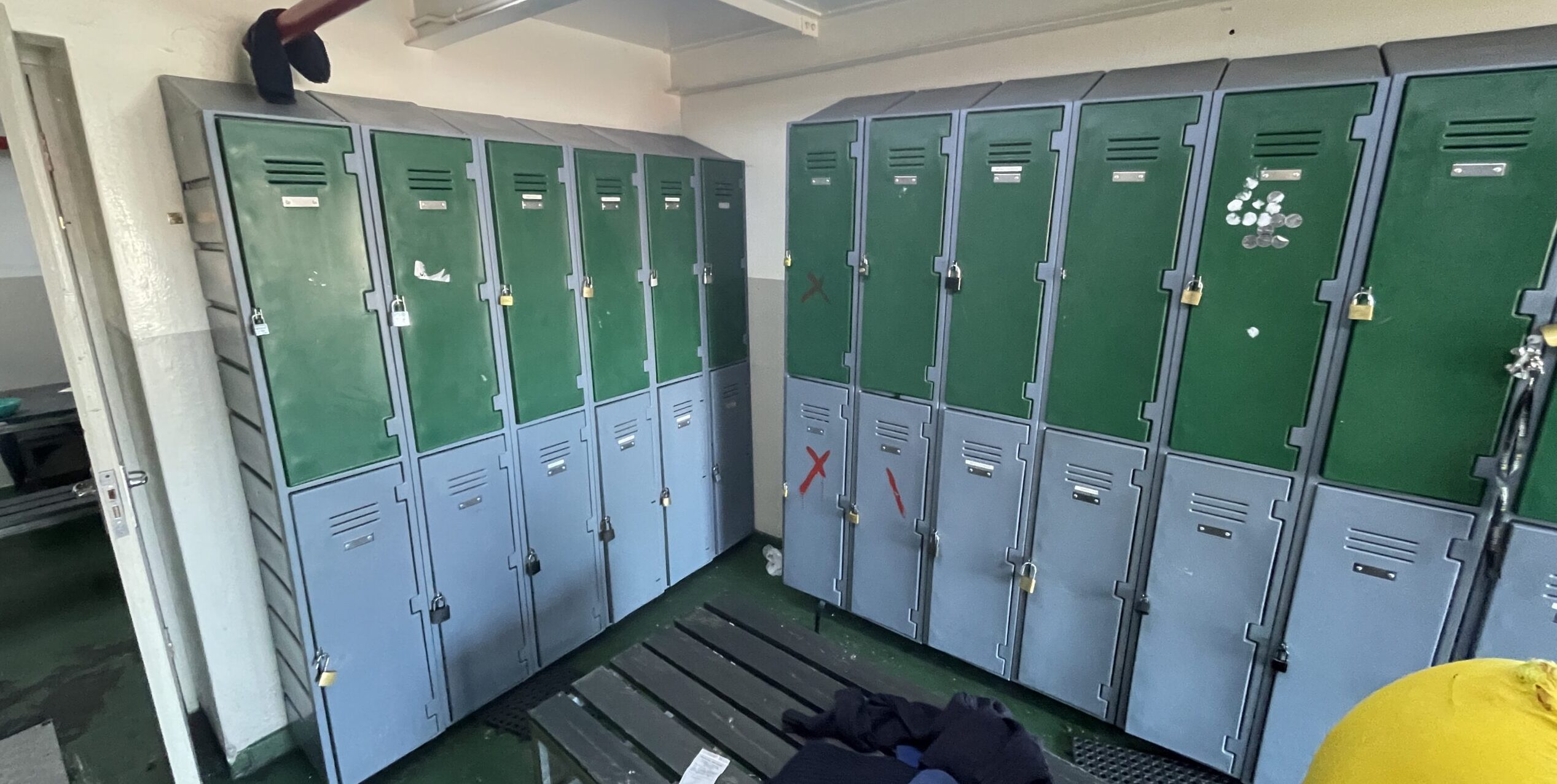
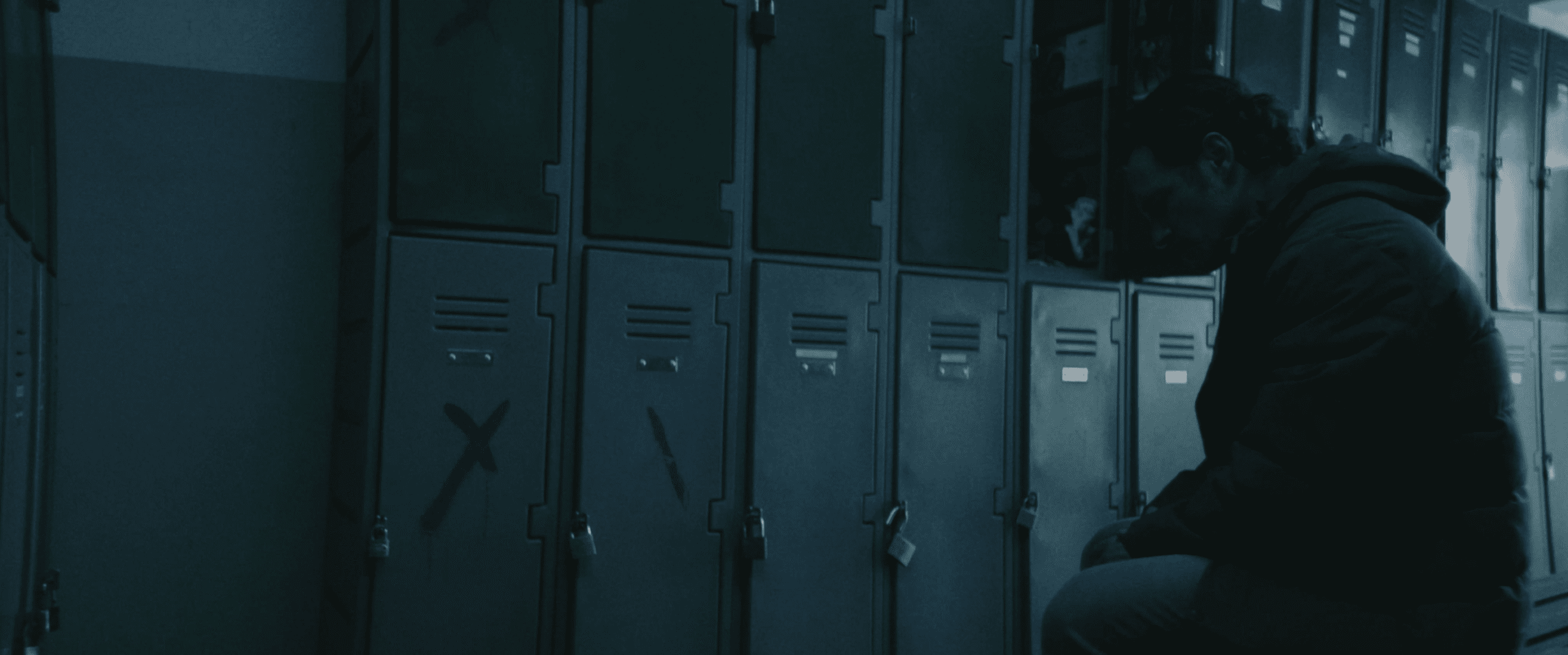
The land-based locker room we managed to find looks just like we are onboard a fishing trawler.
3. Cold calling:
Sometimes your script requires very specific locations or picture vehicles that aren't listed on websites for hiring for films - this does not mean they are off the table. I've had to do many cold calls and sometimes I'm met with "oh, hell no." or "if you have a quarter million dollars, sure" - neither are quite the answers I was looking for. Often shoestring budgets can make you feel embarrassed to ask, but the worst thing anyone can say is "no". I have a great example from our latest film; we needed a helicopter that we could film inside - we only needed interior shots but it needed to be a 'military-style' helicopter. Our family and friends network led us to a couple of privately owned helicopters, but they didn't look right for what we needed - we could have settled, but we kept looking. I reached out to a company that manages response helicopters and they were so happy to help. They required a small fee and the finished scenes to use on their social media.
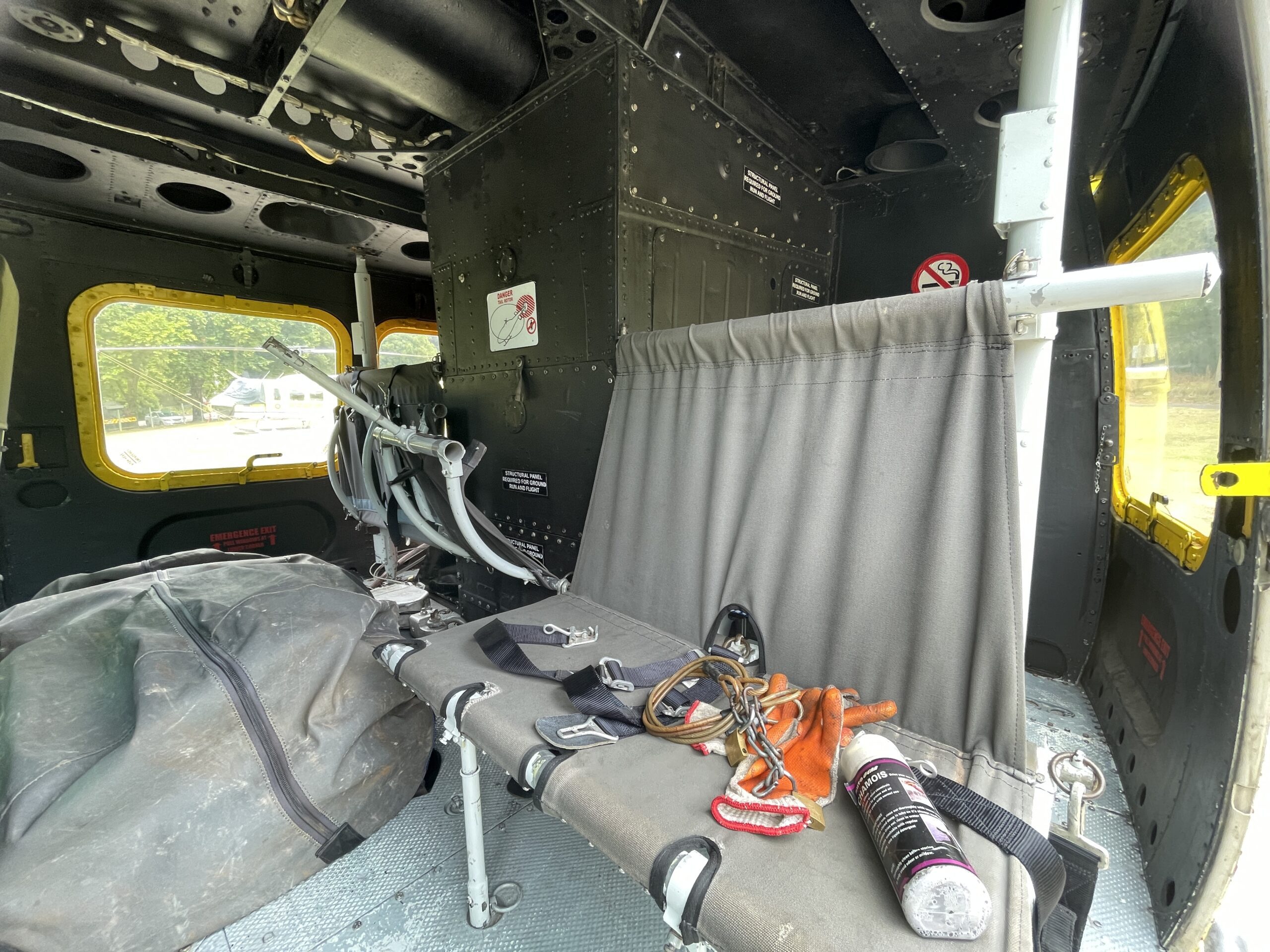

Screenshot from inside the helicopter for our latest project, Rough Waters
When contacting companies, be sure to tell them exactly what you need to film, give them your budget, and make sure you always ask for more time than you think you need because things always take longer than you want them to. Many business owners are surprisingly helpful when approached respectfully and try and offer them something in return - a credit, content for social media marketing to promote their brand or even a trade exchange.
4. Location agencies:
Even for independent films or short films, agencies can be valuable when you need film friendly locations. Their advertised rates may seem high, but they can negotiate with the owners depending on the film and its specific needs - most are happy to try and support local films. Another example is a teaser shoot we completed last month, we needed a London apartment but we were filming in Cape Town. I tried Airbnb, but wasn't finding what I needed. We needed a living room with wooden floors, non-white walls, paned windows and we eventually found the perfect place on Amazing Spaces. We identified a few of our top picks and sent them over along with our dates, info about what we were filming and our budget. They came back to us and we got our top choice at the price that we budgeted.
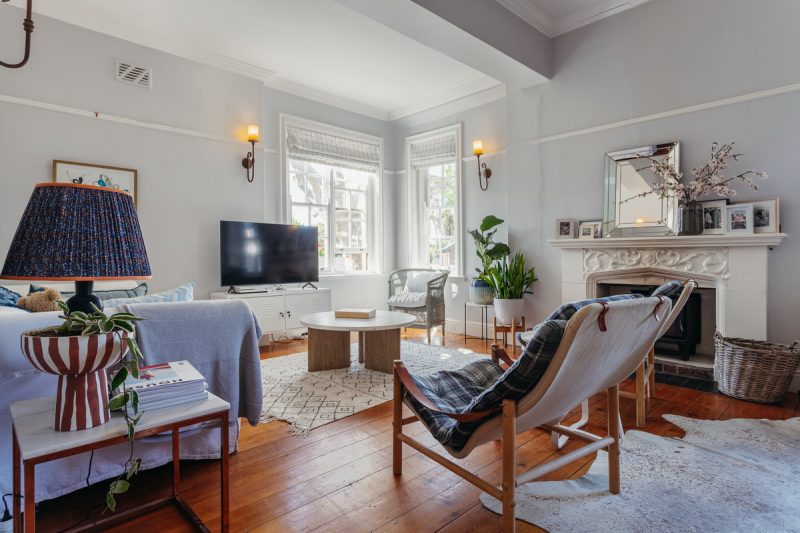
Online location gallery picture
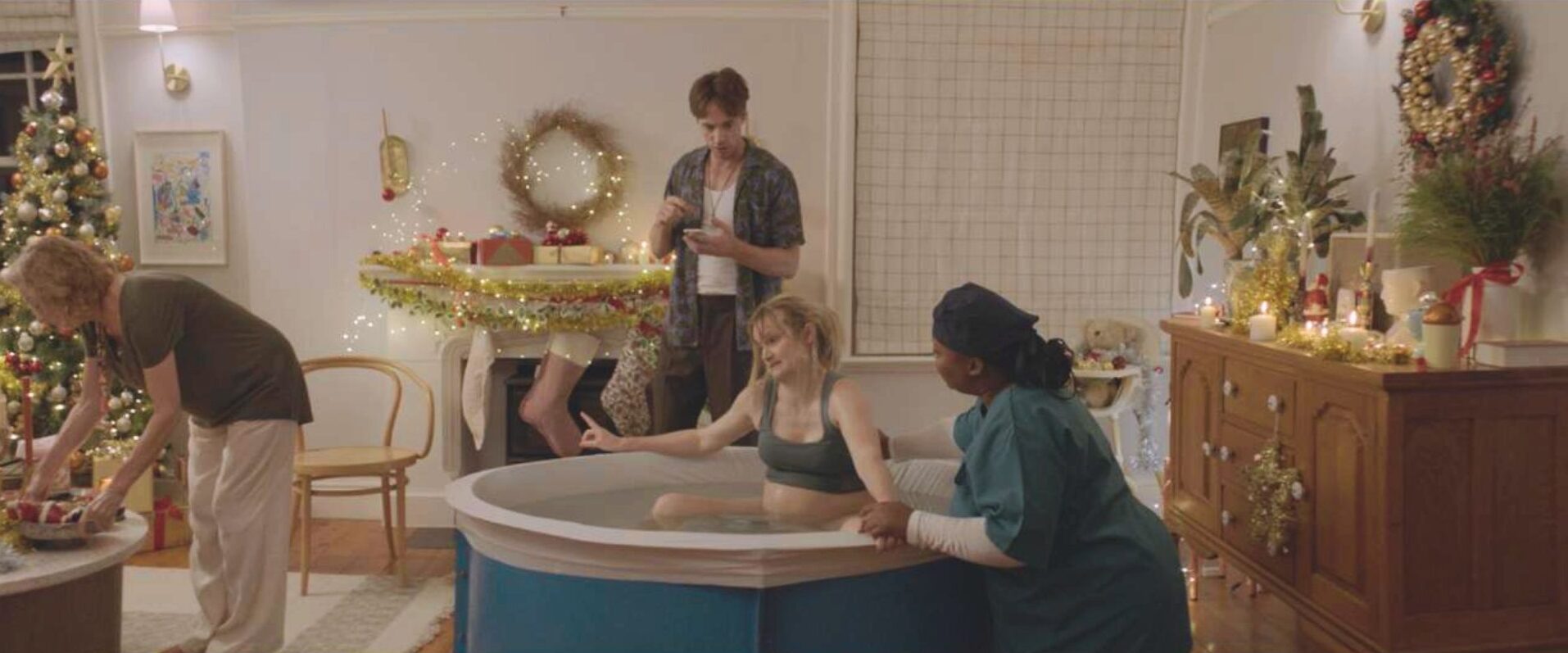
Our London apartment on screen
If you are a small budget film, don't ask them for ideas and to help you find a place; do your research and ask for specific locations in their database - make sure 90% of the work is done, so all they need to do is make a few quick phone calls to the owners. Once again, the worst thing they can say is "no", but sometimes you get lucky and your location search is a success.
Document everything during scouts and keep your own library:
It's a very good idea to start your own location library, what doesn't end up working for one movie, might be the perfect spot for another one. Keeping photographs and footage of each location you scout can be invaluable in the future as well as keeping contact details to reach out to owners or agents in the future.
A realistic indie location workflow includes conducting early script breakdowns with locations in mind, scouting alongside the director and production designer, then negotiating access and permits while revising the schedule with location availability. Be open to reworking your script to reuse primary locations across multiple scenes, this approach often saves money and creates visual coherence. Remember to get photos from multiple angles, make note of power access details, parking availability, neighbour proximity, sunlight direction and noise: thorough documentation prevents surprises on shoot days.
A realistic indie location workflow includes conducting early script breakdowns with locations in mind, scouting alongside the director and production designer, then negotiating access and permits while revising the schedule with location availability. Be open to reworking your script to reuse primary locations across multiple scenes, this approach often saves money and creates visual coherence. Remember to get photos from multiple angles, make note of power access details, parking availability, neighbour proximity, sunlight direction and noise: thorough documentation prevents surprises on shoot days.
Balancing art department and schedule around locations
Art direction and scheduling are chained to location decisions on every indie set. The production designer and art team cannot begin serious work—measuring, creating dressing plans, sourcing and purchasing props—until locations are locked.
The assistant director builds the shooting schedule around location blocks, grouping all scenes for each location together, minimizing company moves (which can consume 2–4 hours each), and aligning with owner availability. If locations prove too complex or expensive, simplify the script: combine two story locations into one physical space, rewrite scenes for places already secured, and avoid one-off locations for single short scenes.
Build realistic company move times into the schedule. Many location owners impose restrictions—noise cutoffs after 10 PM, limited load-in windows, caps on crew size in shared buildings. These constraints must be respected or you’ll lose access mid-production, but make sure you are fully transparent about your needs from the beginning, no body likes those surprises on the day.
The assistant director builds the shooting schedule around location blocks, grouping all scenes for each location together, minimizing company moves (which can consume 2–4 hours each), and aligning with owner availability. If locations prove too complex or expensive, simplify the script: combine two story locations into one physical space, rewrite scenes for places already secured, and avoid one-off locations for single short scenes.
Build realistic company move times into the schedule. Many location owners impose restrictions—noise cutoffs after 10 PM, limited load-in windows, caps on crew size in shared buildings. These constraints must be respected or you’ll lose access mid-production, but make sure you are fully transparent about your needs from the beginning, no body likes those surprises on the day.
FAQ - Locations for a low budget indie movie
1. What insurance do I need to film in other people's homes or properties?
Liability insurance is there to protect your production company if something goes wrong and you’re held legally responsible.
In simple terms, it covers claims from third parties—people who aren’t part of your core production entity—who suffer injury, property damage, or loss because of your shoot. A few common examples are:
- A member of the public trips over cables on location and gets injured
- You accidentally damage a location (e.g. a historic building or rented home)
- Equipment falls and damages someone else’s property
- A passerby is hurt during a stunt or effects setup
What it typically covers:
- Legal fees (which can get very expensive, very quickly)
- Compensation payouts or settlements
- Medical costs for injured third parties
Liability Insurance is usually a minimum requirement for:
- Filming permits
- Location agreements
- Working with studios, broadcasters, or streamers
It is a must have for all independent films.
In simple terms, it covers claims from third parties—people who aren’t part of your core production entity—who suffer injury, property damage, or loss because of your shoot. A few common examples are:
- A member of the public trips over cables on location and gets injured
- You accidentally damage a location (e.g. a historic building or rented home)
- Equipment falls and damages someone else’s property
- A passerby is hurt during a stunt or effects setup
What it typically covers:
- Legal fees (which can get very expensive, very quickly)
- Compensation payouts or settlements
- Medical costs for injured third parties
Liability Insurance is usually a minimum requirement for:
- Filming permits
- Location agreements
- Working with studios, broadcasters, or streamers
It is a must have for all independent films.
2. Which filming location is your top choice outside the UK mainland?
There are many beautiful. places around the world, but Cape Town is my top location for independent films for a couple of reasons:
1., Diversity - Cape Town offers an incredible range of locations that are hard to match elsewhere—beaches, mountains, forests, vineyards, sand dunes, farmland, and even desolate, desert-like landscapes. Thanks to its Dutch and British colonial history, much of the architecture can double for the UK or Europe. This variety allows you to create a high-production-value, cinematic world without constantly moving your unit.
2. Weather - The weather is wonderful, the daylight hours will be a minimum of 10 hours all year round, giving you a full day of work even in the middle of winter. With long, dry summers offering consistent sunshine and extended daylight hours, productions benefit from predictable shooting schedules and ideal natural light. Cape Town’s Mediterranean climate provides a rare combination of year-round shootability, diverse lighting conditions, and minimal weather-related disruptions.
3. Cost - if you are trying to make something cinematic but you have a low budget, Cape Town delivers. Most location owners are willing to find a way to make a deal that works within your budget especially out of season (April to August).
1., Diversity - Cape Town offers an incredible range of locations that are hard to match elsewhere—beaches, mountains, forests, vineyards, sand dunes, farmland, and even desolate, desert-like landscapes. Thanks to its Dutch and British colonial history, much of the architecture can double for the UK or Europe. This variety allows you to create a high-production-value, cinematic world without constantly moving your unit.
2. Weather - The weather is wonderful, the daylight hours will be a minimum of 10 hours all year round, giving you a full day of work even in the middle of winter. With long, dry summers offering consistent sunshine and extended daylight hours, productions benefit from predictable shooting schedules and ideal natural light. Cape Town’s Mediterranean climate provides a rare combination of year-round shootability, diverse lighting conditions, and minimal weather-related disruptions.
3. Cost - if you are trying to make something cinematic but you have a low budget, Cape Town delivers. Most location owners are willing to find a way to make a deal that works within your budget especially out of season (April to August).
3. What do I need to become a location scout?
need a formal path, this is a role you can grow into with the right mindset and skills.
Education - College? University? You don't need higher level, quality education to pursue this career.
Tools - Cell phone and a camera
Soft Skills - Creative solutions. Developing and maintaining relationships with studios, location agencies, location owners, other scouts who you can draw on for some leads.
Education - College? University? You don't need higher level, quality education to pursue this career.
Tools - Cell phone and a camera
Soft Skills - Creative solutions. Developing and maintaining relationships with studios, location agencies, location owners, other scouts who you can draw on for some leads.
4. What should be in a location agreement?
Filmmaking is propped up by endless agreements, and location agreements are no different. Be sure to include the following details on your location agreement:
- Fee per day. typically prep and wrap days are 50% of the day rate.
- Dates - you want these to be confirmed.
- Services - What services are available for you to use and what you are responsible to provide (toilets, power, parking, holding areas) - this will differ with every location, so don't assume anything
- Proof of your liability insurance
- Location Release - permission to film the location and use it for filming and promotional purposes.
- Fee per day. typically prep and wrap days are 50% of the day rate.
- Dates - you want these to be confirmed.
- Services - What services are available for you to use and what you are responsible to provide (toilets, power, parking, holding areas) - this will differ with every location, so don't assume anything
- Proof of your liability insurance
- Location Release - permission to film the location and use it for filming and promotional purposes.
